Metal 3D Printing: Additive Manufacturing of High-Performance Alloys

1. Fundamental Concepts and Process Categories 1.1 Definition and Core Device (3d printing alloy powder) Metal 3D printing, likewise referred to as steel additive production (AM), is a layer-by-layer construction technique that develops three-dimensional metallic components straight from digital versions using powdered or wire feedstock. Unlike subtractive techniques such as […]

Continue Reading

Alumina Ceramic Baking Dishes: High-Performance Materials in the Kitchen translucent alumina

1. Product Science and Structural Honesty 1.1 Make-up and Crystalline Architecture (Alumina Ceramic Baking Dish) Alumina ceramic cooking meals are made from light weight aluminum oxide (Al â‚‚ O FIVE), a polycrystalline ceramic product usually containing 90– 99.5% pure alumina, with small additions of silica, magnesia, or clay minerals to […]

Continue Reading

TR–E Animal Protein Frothing Agent: Advanced Foaming Technology in Construction ac foaming agent

1. Molecular Basis and Functional Mechanism 1.1 Protein Chemistry and Surfactant Habits (TR–E Animal Protein Frothing Agent) TR– E Pet Protein Frothing Representative is a specialized surfactant derived from hydrolyzed pet healthy proteins, largely collagen and keratin, sourced from bovine or porcine spin-offs refined under controlled chemical or thermal problems. […]

Continue Reading

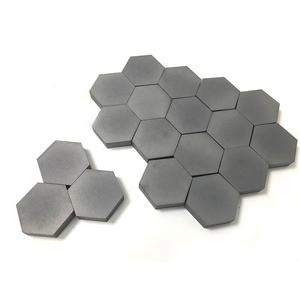
Silicon Nitride–Silicon Carbide Composites: High-Entropy Ceramics for Extreme Environments silicium nitride

1. Product Structures and Collaborating Layout 1.1 Innate Residences of Component Phases (Silicon nitride and silicon carbide composite ceramic) Silicon nitride (Si ₃ N FOUR) and silicon carbide (SiC) are both covalently bonded, non-oxide porcelains renowned for their phenomenal efficiency in high-temperature, corrosive, and mechanically requiring environments. Silicon nitride exhibits […]

Continue Reading

Alumina Ceramic Baking Dishes: High-Temperature Stability and Functional Durability translucent alumina

1. Product Make-up and Ceramic Handling 1.1 Alumina as an Advanced Ceramic Material (Alumina Ceramic Baking Dish) Alumina (Al â‚‚ O SIX), or light weight aluminum oxide, is a totally inorganic, polycrystalline ceramic renowned for its exceptional thermal stability, mechanical stamina, and chemical inertness, making it an ideal prospect for […]

Continue Reading

Silicon Carbide Crucibles: Thermal Stability in Extreme Processing silicium nitride

1. Product Science and Structural Stability 1.1 Crystal Chemistry and Bonding Characteristics (Silicon Carbide Crucibles) Silicon carbide (SiC) is a covalent ceramic composed of silicon and carbon atoms organized in a tetrahedral latticework, primarily in hexagonal (4H, 6H) or cubic (3C) polytypes, each showing outstanding atomic bond toughness. The Si– […]

Continue Reading

Lightweight Concrete Admixtures: Engineering Low-Density High-Performance Structures admixture used in concrete

1. Product Science and Useful Mechanisms 1.1 Definition and Category of Lightweight Admixtures (Lightweight Concrete Admixtures) Light-weight concrete admixtures are specialized chemical or physical additives developed to decrease the density of cementitious systems while maintaining or enhancing structural and useful performance. Unlike standard accumulations, these admixtures present controlled porosity or […]

Continue Reading

Spherical Alumina: Engineered Filler for Advanced Thermal Management alumina cost

1. Material Fundamentals and Morphological Advantages 1.1 Crystal Structure and Chemical Structure (Spherical alumina) Spherical alumina, or spherical light weight aluminum oxide (Al two O FOUR), is an artificially generated ceramic material defined by a distinct globular morphology and a crystalline structure mostly in the alpha (α) stage. Alpha-alumina, the […]

Continue Reading